
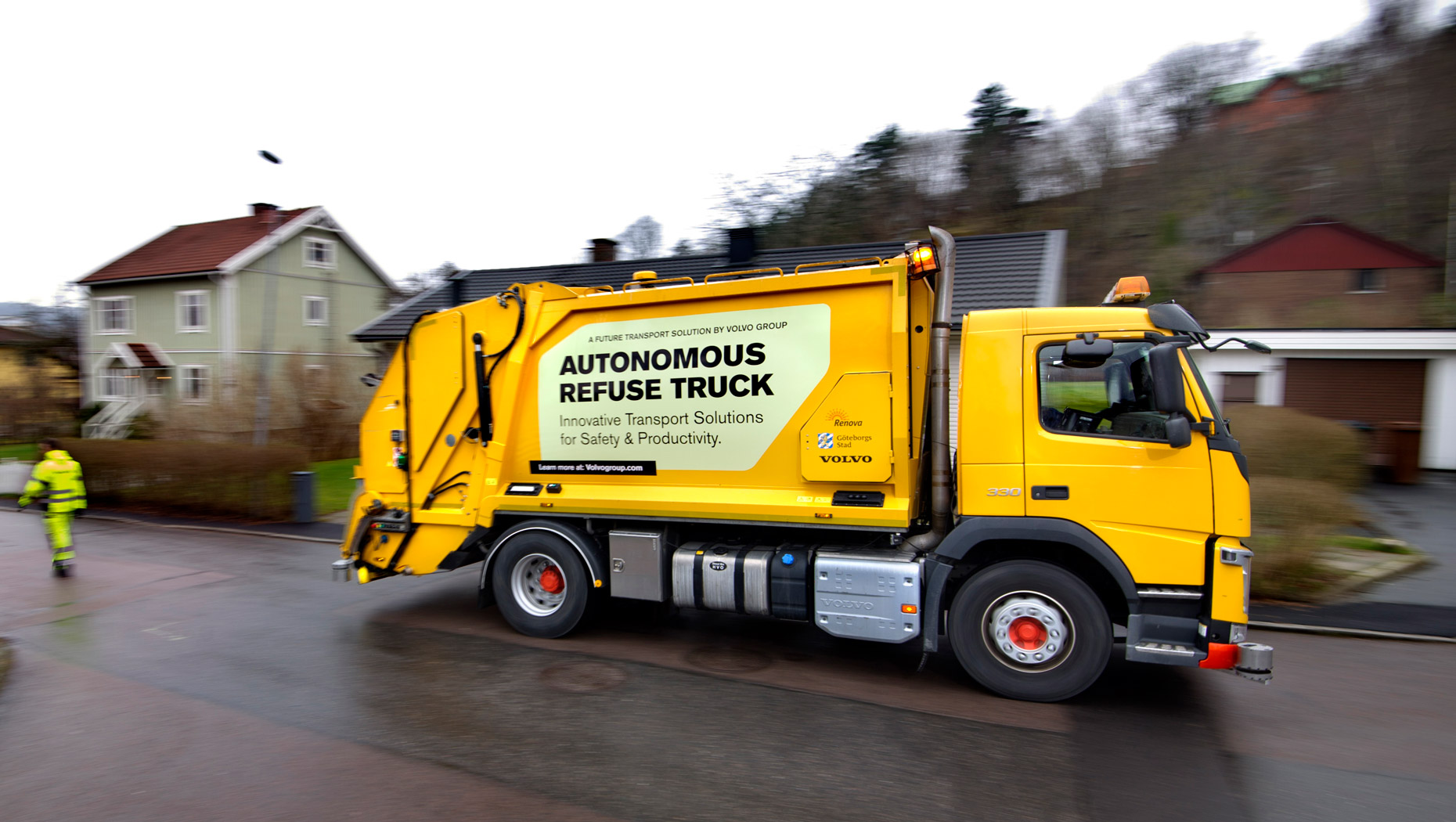
Keeping cities and communities clean depends on one essential piece of equipment—refuse trucks. These specialized vehicles are designed to handle heavy waste loads, streamline garbage collection, and keep sanitation services efficient. For municipalities, contractors, or private operators, choosing the right refuse truck is a major decision that affects both short-term costs and long-term performance.
If you are exploring options for refuse trucks for sale, it’s important to understand what features, models, and financing opportunities are available. With so many choices on the market, knowing how to evaluate them properly will ensure you invest in a truck that meets your operational needs.
Why Refuse Trucks Are Essential
Refuse trucks are the backbone of waste management systems worldwide. Without them, cities would face overflowing bins, unsanitary conditions, and environmental hazards. These trucks ensure garbage is collected quickly, compacted efficiently, and transported to disposal or recycling facilities with minimal disruption.
Modern refuse trucks are also designed with technology and safety features that improve productivity, reduce labor costs, and extend vehicle life. That’s why selecting the right model is not just about transportation—it’s about ensuring smooth operations and community well-being.
Main Types of Refuse Trucks
When browsing the market, you’ll find several types of trucks, each designed for different environments:
- Rear Loaders – A traditional choice that allows crews to manually load waste into the rear hopper.
- Front Loaders – Equipped with hydraulic arms to lift dumpsters, making them perfect for commercial routes.
- Side Loaders – Automated trucks that allow a single operator to manage routes, ideal for residential neighborhoods.
- Roll-Off Trucks – Designed for hauling large containers, often used for industrial and construction waste.
Understanding these categories helps buyers match the right truck to their service requirements.
Key Features to Look For
Not all refuse trucks are created equal. Buyers should carefully assess the following:
- Body Capacity: Larger routes require trucks with higher volume capacity.
- Compaction System: A strong compaction ratio reduces the number of trips to disposal sites.
- Durability: Look for heavy-duty steel construction and robust hydraulics.
- Fuel Options: Modern trucks now include diesel, natural gas, and electric models.
- Technology: GPS, automation, and safety sensors increase efficiency.
Choosing trucks with these features improves operational efficiency and reduces long-term costs.
Should You Buy New or Used?
Budget often determines whether buyers opt for new or used vehicles.
- New Trucks provide the latest designs, better warranties, and fewer immediate maintenance needs.
- Used Trucks offer affordability and can deliver strong performance if purchased from a reliable dealer. Always request service records and inspect the truck thoroughly before buying.
Ultimately, the decision depends on your budget, usage intensity, and long-term goals.
Importance of a Trusted Dealer
When investing in heavy-duty equipment like refuse trucks, choosing a reputable dealer is crucial. Trusted dealers provide:
- Thorough inspections and quality checks
- Clear maintenance and service records
- Financing and leasing solutions
- After-sales support and spare parts availability
A reliable dealer ensures peace of mind and maximizes the value of your investment.
Financing and Leasing Options
Buying a refuse truck is a significant expense, but financing makes it manageable.
- Leasing allows lower upfront costs and easy upgrades.
- Loans spread payments over time, giving full ownership after completion.
- Fleet Financing supports companies expanding with multiple trucks.
Discussing financing terms upfront ensures buyers get a solution that fits their budget.
Long-Term Benefits of the Right Truck
Purchasing the right refuse truck brings both operational and financial advantages:
- Lower Costs – Efficient compaction and fuel systems reduce operating expenses.
- Increased Safety – Automation protects crews from injuries.
- Improved Reputation – Reliable waste collection builds trust in communities.
- Environmental Responsibility – Modern trucks with greener fuel options reduce emissions.
These benefits show that the right purchase is an investment, not just an expense.
Conclusion
The demand for refuse trucks is growing, and buyers today have more choices than ever before. Understanding the different types, evaluating features, and carefully weighing new versus used options will help you make an informed decision.
By working with a trusted dealer and considering financing solutions, you can find the right refuse truck that supports efficient waste management and long-term success. Ultimately, a well-chosen refuse truck strengthens community health, safety, and sustainability.