
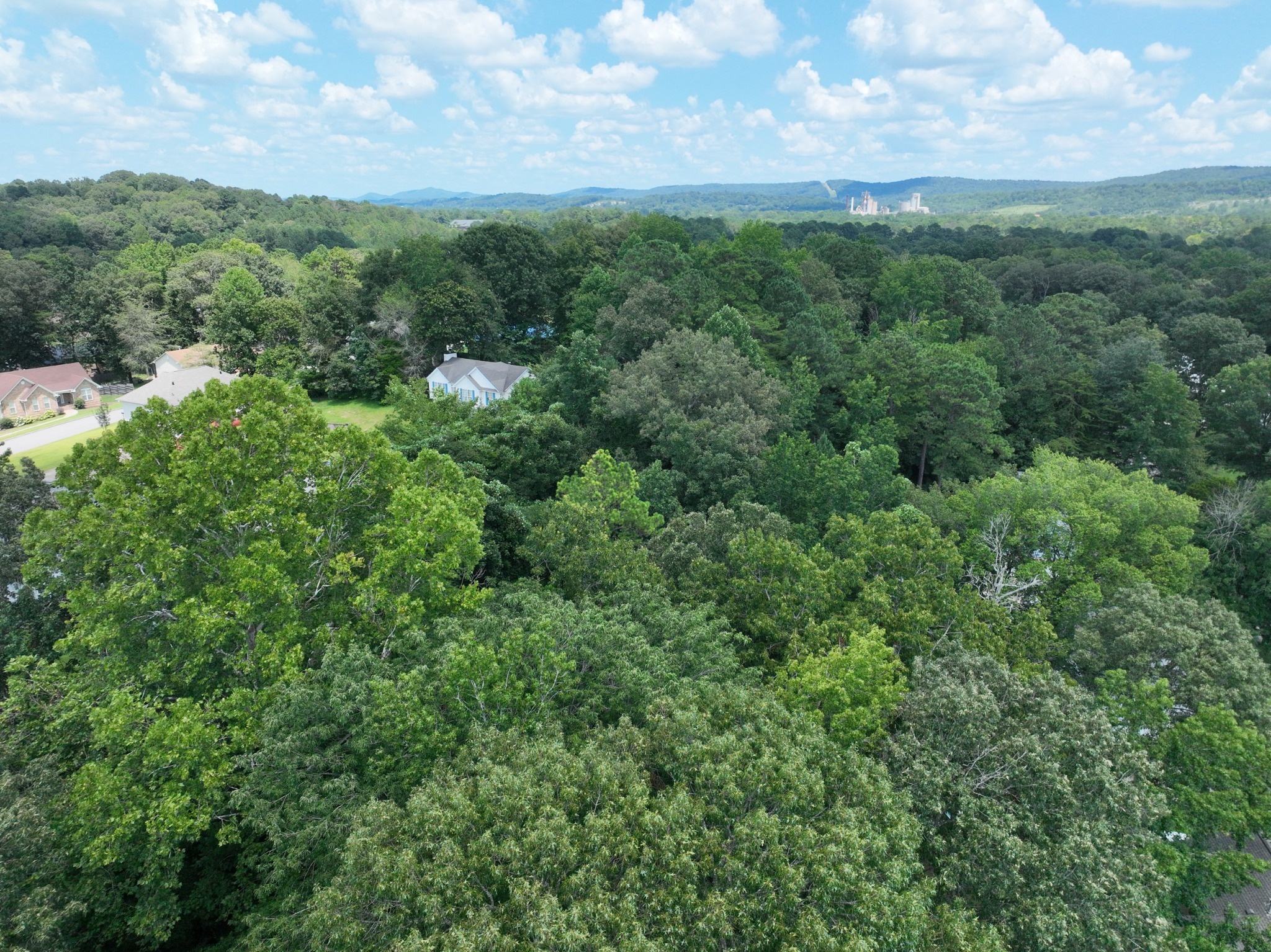
Owning a parcel of raw or undeveloped land in Minnesota can feel like holding onto an asset that’s full of promise—but also full of costs and uncertainty. If you’ve ever thought, “I just want to sell my land quickly and cleanly,” there’s a streamlined option you should explore. Below is a detailed guide to selling land in Minnesota—especially via cash buyers—and how you can go about it with clarity, confidence, and efficiency.
Why many Minnesota landowners decide to sell
Before diving into the process, it helps to see why selling might be the best move for you right now:
- Ongoing costs and liabilities — Vacant land still incurs property taxes, maintenance, and insurance costs. If it’s not producing income or being used, it can become a financial drag.
- Low liquidity — Unlike a house or developed property, raw land doesn’t always attract frequent buyers. It may sit on the market for months or years.
- Complex transactions in traditional markets — Listing through real estate agents involves appraisals, inspections, contingencies, showings, delays, and commissions.
- Desire for certainty and speed — Sometimes, you simply want to close a deal and move on with your capital rather than wait indefinitely.
If those pressures resonate, seeking to sell my land via a cash buyer or direct purchase option becomes a compelling, practical alternative.
What it means to sell land to a cash buyer
Selling to a cash buyer is different from the usual real estate route. Here’s how it typically works and what to expect:
- No financing contingencies — Since the buyer uses their own funds, they don’t rely on bank loans, underwriters, or long waiting periods.
- As-is purchase — You’re not required to improve the land, remove brush, fix fences, or stage the property. The buyer accepts whatever condition it’s in.
- Transparent negotiation — Cash buyers often provide a breakdown of how they arrived at their offer, including adjustments for taxes, title issues, or access.
- Faster closing — Because fewer parties are involved and fewer contingencies exist, closings can often be scheduled within days or a few weeks.
- Discounted price compared to list sale — The convenience and reduced risk for the buyer typically means your offer may come in below full retail market value.
In short, when you choose to sell my land via a cash buyer, you trade some upside for speed, simplicity, and a higher degree of certainty.
Step-by-step: How to sell your land in Minnesota
Here’s a practical roadmap to help you go from consideration to a completed sale:
1. Gather property details and documents
Compile all existing maps, surveys, tax records, plats, title documents, zoning or land use restrictions, and anything you know about access or rights-of-way. The more complete your information, the stronger your offer prospects.
2. Contact and compare cash buyers
Reach out to land investment companies and buyers who specialize in raw land in Minnesota. Describe your property, submit your documents, and request no-obligation offers. Compare multiple bids; don’t accept the first one without seeing if another buyer might be more favorable.
3. Evaluate offers carefully
Look beyond the headline number. Ask whether back taxes, title fees, closing costs, or surveys are deducted. Ask about timeline flexibility, earnest deposit, and what contingencies the buyer has.
4. Request due diligence
Once you accept an offer, the buyer will likely order a title search, possibly a survey, and confirm legal access. They may also check for easements or environmental constraints.
5. Close the deal
Pick a closing date that works for you. Sign the necessary documents (deed, affidavits, disclosures). The buyer arranges title transfer, pays closing costs (or splits them, depending on your agreement), and delivers funds.
6. Transfer ownership and collect payment
After execution and document recording, the land is legally yours no longer, and you receive the proceeds. The buyer becomes the legal owner, and your responsibility ends.
Why it’s especially relevant in Minnesota
Minnesota’s landscape of forests, lakes, farmland, and rural parcels means there’s a significant amount of underutilized or remote land. Some parcels are too small for farming, lack road access, or fall outside development zones. These “in between” properties may not attract traditional buyers quickly. That creates opportunity for cash buyers who specialize in hidden or off-market lands. Because of that, landowners across many Minnesota counties frequently explore offers from buyers willing to accept unusual parcels.
Additionally, the state has mechanisms like tax-forfeited land sales in certain counties. While those auctions aim to sell public parcels, they also illustrate how nontraditional sale routes exist in Minnesota’s property ecosystem.
Tips to improve your outcome when you sell your land
Here are several strategies to ensure you get as good a deal as possible:
- Be fully transparent — Disclose any known defects, easements, or access issues. It builds trust and reduces unexpected deductions.
- Highlight value potential — If the land has recreational, timber, mineral, or development potential, make sure buyers know it. That may push them to raise offers.
- Negotiate closing costs — Some fees are negotiable; ask the buyer to cover or split title, escrow, survey, and recording costs.
- Be flexible with timing — If you can offer a closing window, you give buyers more room to plan (and may improve your offer).
- Use multiple buyers as leverage — When buyers know you have competing offers, they often sharpen their numbers.
- Check buyer reputation — Ask for references or past transactions. A credible buyer with a track record is safer.
- Review the contract — Even cash deals should be legally documented. Consider hiring a real estate attorney to review terms, contingencies, and protections.
Realistic expectations and trade-offs
It’s crucial to keep expectations grounded. A few realities:
- Cash offers often land at 60–80% of what you might get via patient listing, depending on location, condition, and buyer demand.
- You’ll give up some upside, especially if the parcel had hidden development or speculative potential that a retail buyer might recognize.
- You’ll lose the flexibility of creative financing or multi-offer bidding competition.
- But in exchange, you gain speed, reliability, and certainty.
For many landowners, those benefits outweigh the difference — especially if the land is holding costs, illiquid, or burdensome.
When to choose cash sale vs. traditional listing or auction
Here’s a quick comparison to help you decide:
| Situation | Best Approach | Why |
|---|---|---|
| You need fast cash | Sell to a cash buyer | Speed, certainty, fewer contingencies |
| Land is highly desirable, near urban growth | Traditional listing / agent | More buyers & bidding potential |
| Timed correctly, attract competition | Auction or sealed bid | Drives urgency and possibly higher price |
| You’re comfortable handling every detail | FSBO (for sale by owner) | Keeps more margin, but more time/effort |
If your priority is to sell my land with minimal fuss and maximum certainty, then selling to a cash buyer is usually your strongest path.
Mind common pitfalls and red flags
- Buyers that pressure you to sign immediately without letting you compare offers.
- Offers that don’t explain deductions or closing cost splits.
- Lack of a written purchase agreement or vague terms.
- Buyers without experience or references.
- Overly optimistic “market price” promises that later vanish in fine print.
Don’t let urgency override caution. Even if your goal is a fast sale, you deserve clarity and fairness.
A hypothetical example
Say you own 10 acres of wooded terrain in northern Minnesota. It has no infrastructure, is accessible only via a gravel road, and you no longer want the tax drain. You contact a direct land buyer, describe the parcel, and send whatever documents you have. A buyer responds with a cash offer significantly lower than your “wish” price, but with a guaranteed closing in 14 days, no repair obligations, and minimal paperwork. You counter on cost splits, negotiate slightly, accept the deal, sign, and get the funds. The next month, the land is someone else’s problem, and you move on.
Had you tried the “list and wait” route, similar parcels may have sat unsold for a year, gone through countless showings, negotiations, financing delays, and possibly fall through entirely.
Final thoughts
If you’ve been thinking for a while, “I want to sell my land in Minnesota but don’t want to deal with months of hassle,” the direct cash-buyer option is worth strong consideration. You’ll give up some potential profit, but gain in certainty, speed, and peace of mind.
The key is preparation: gather your documentation, know your bottom line, compare offers, and insist on clear terms. With the right buyer, you can convert your land into cash on a timeline that works for you and avoid the unpredictable drag of the traditional selling route. If you’d like, I can also draft a version of this article optimized for local Minnesota counties (Cass, Otter Tail, Crow Wing, etc.)—would you like me to do that?